TECHNOLOGY
Lego-like aquaculture equipment will change the world.
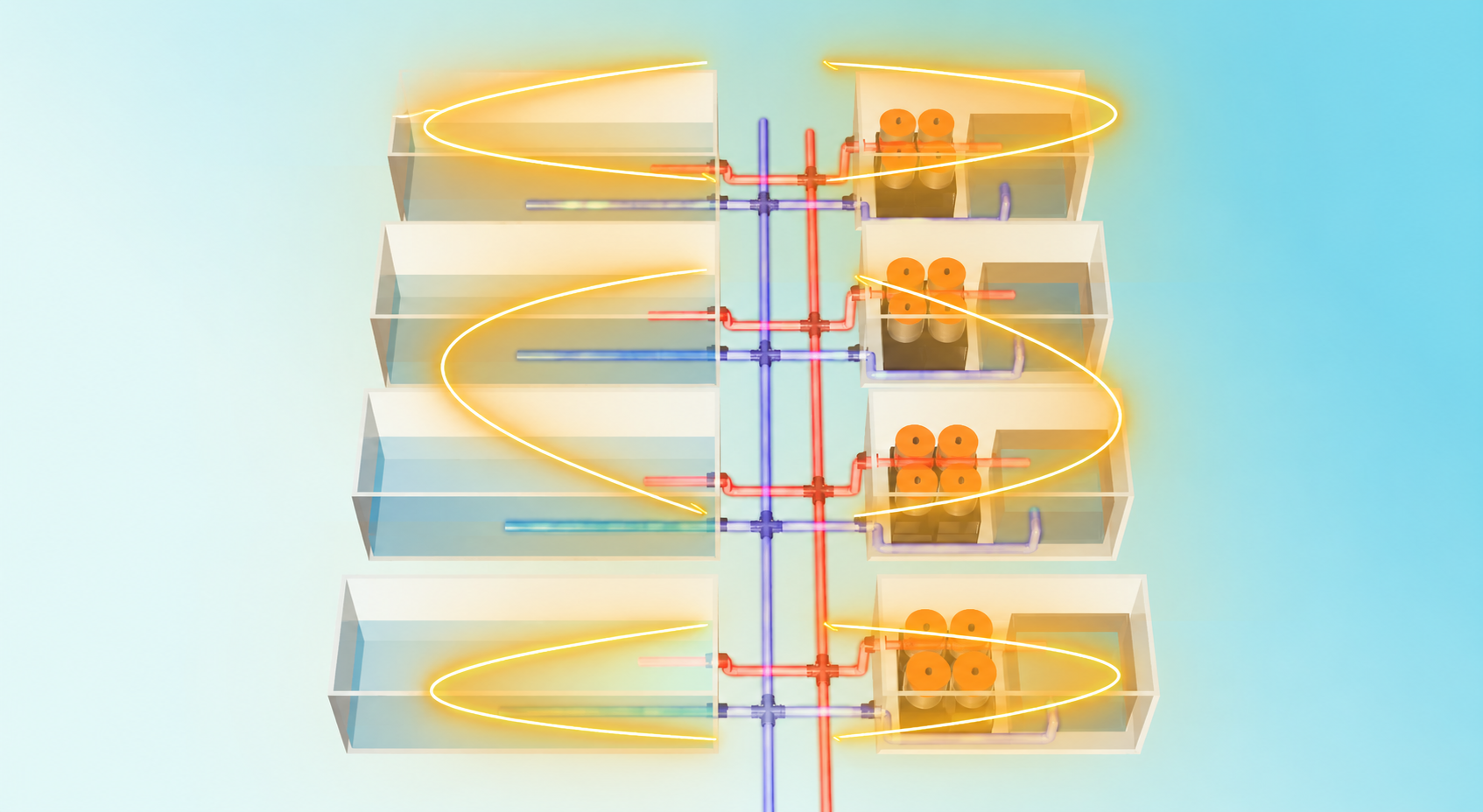
The fish tank and the water purification system are separate, and the parts simply need to be connected.
You can increase the number of fish when you want to increase them, and replace them when you want to change them
—that’s AQUAXMGRID’s vision for a new form of aquaculture.
01. Modularization
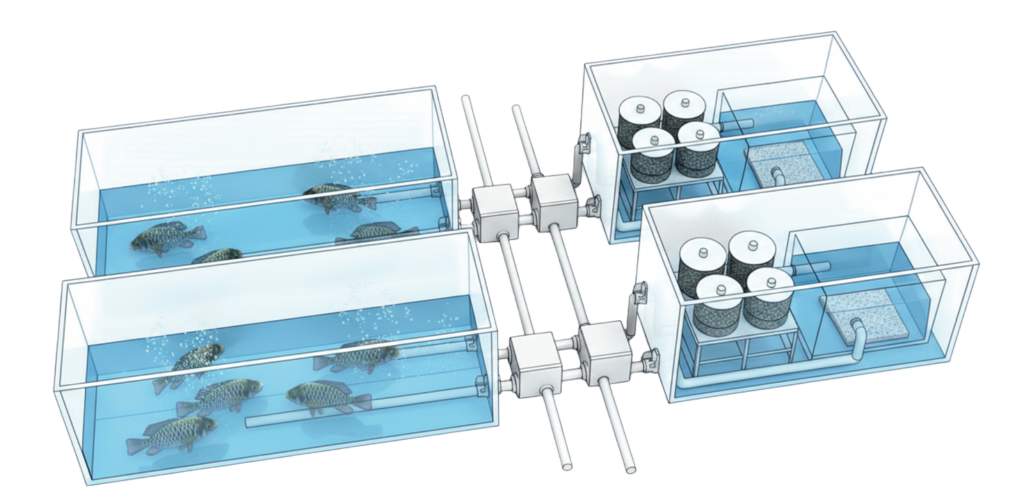
The aquarium and filtration system are designed as separate, independent units. These units are connected via an interface, allowing for free combination and removal, much like Lego blocks. Unlike conventional integrated systems, there is no dependence on a specific manufacturer, and unit-by-unit upgrades are possible to keep pace with technological advancements.
02. Standardization of pipe connection methods
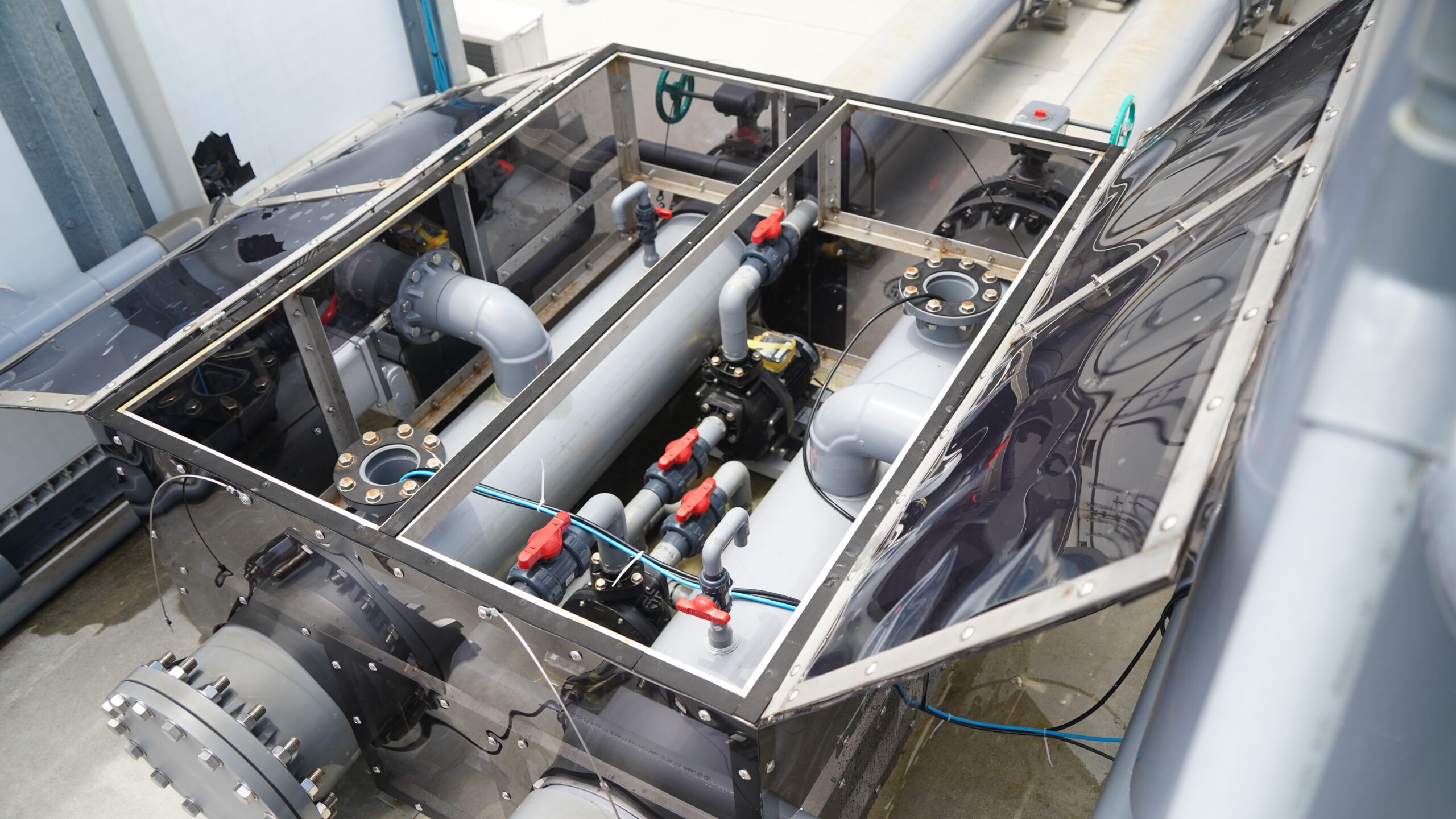
The connection points (interfaces) between units are defined as a common standard. If the standard is followed, units from different manufacturers can be connected and exchanged. This creates flexibility and competition in aquaculture systems, leading to lower costs and increased innovation across the entire industry.
03. Optimal allocation of filtration capacity
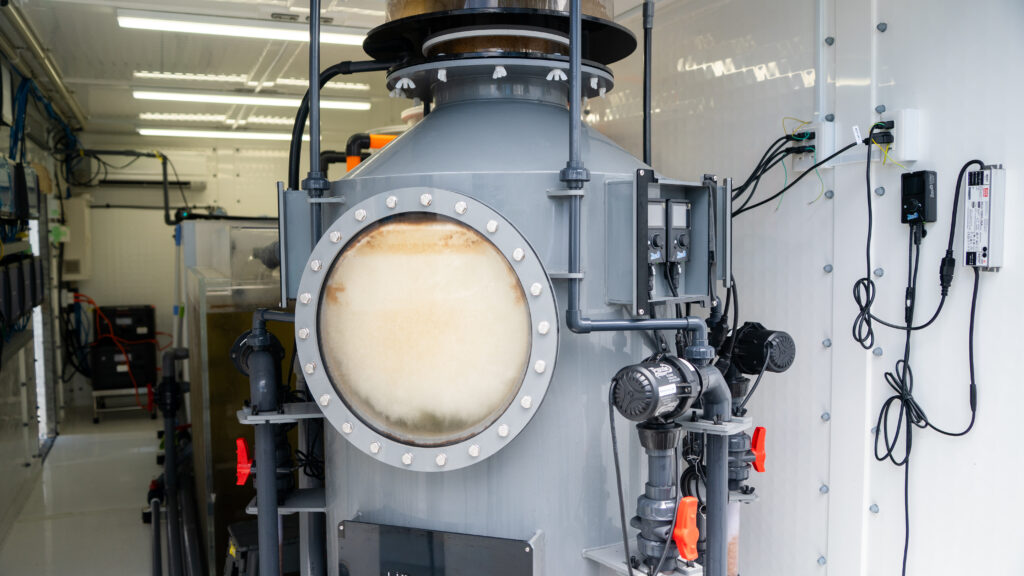
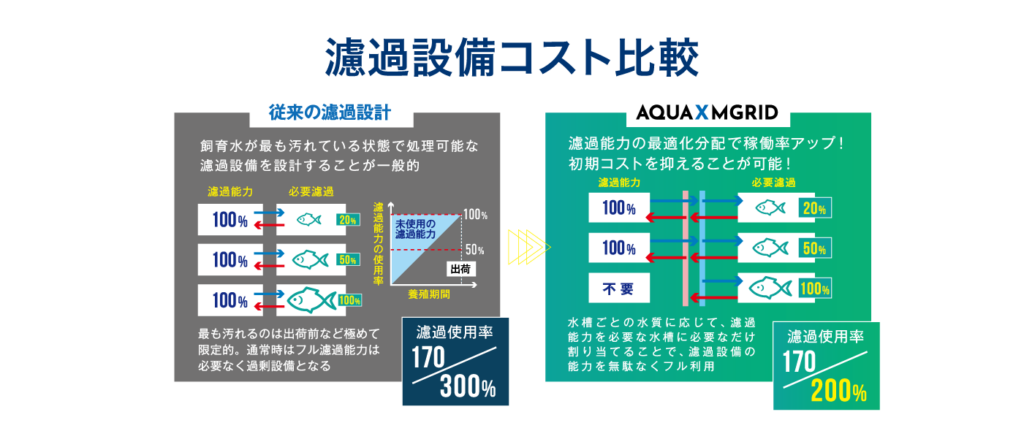
The filtration capacity can be allocated according to the number of fish and the water conditions, ensuring that only the necessary amount is used. For example, the allocation can be adjusted when the number of fish decreases due to shipment, allowing for maximum utilization of the equipment without any wasted capacity.
04. Flexible operational configuration
Each unit can be operated independently as needed. In the event of a disease outbreak in the tank, only the affected unit can be isolated and operation can continue, minimizing damage and protecting the business.
05. Can be installed anywhere.
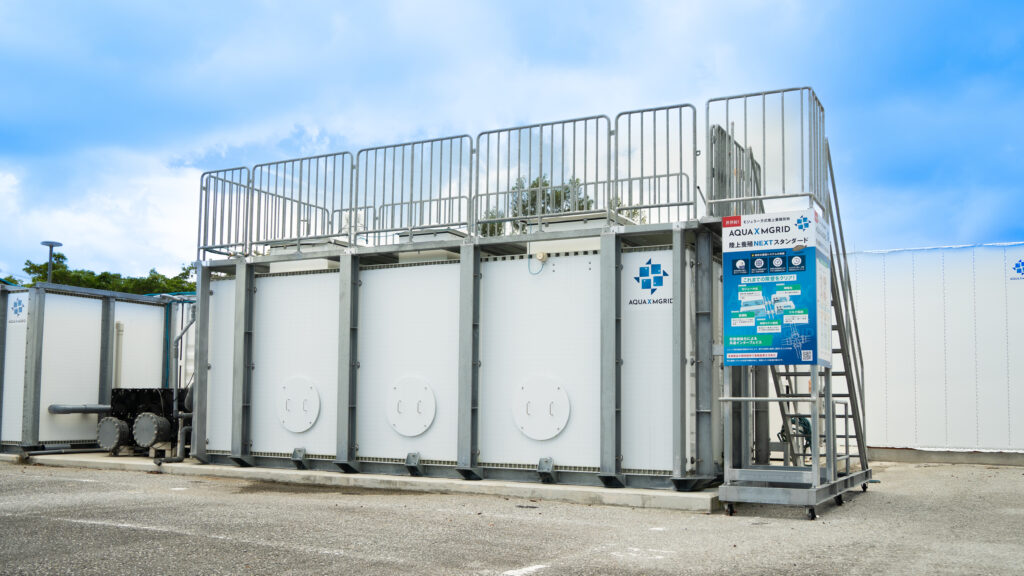
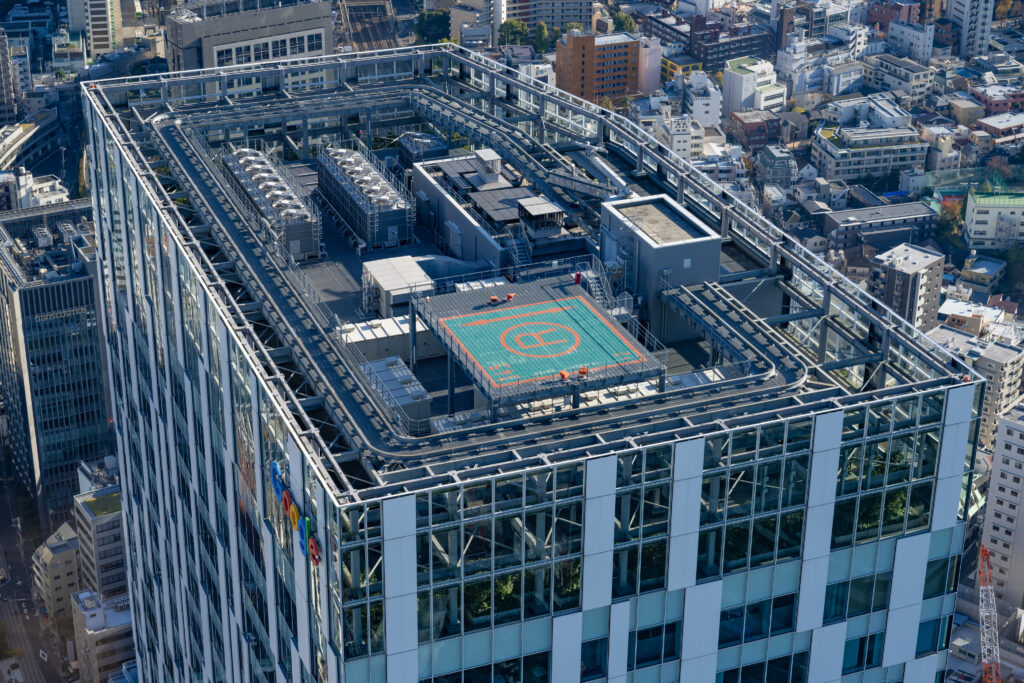
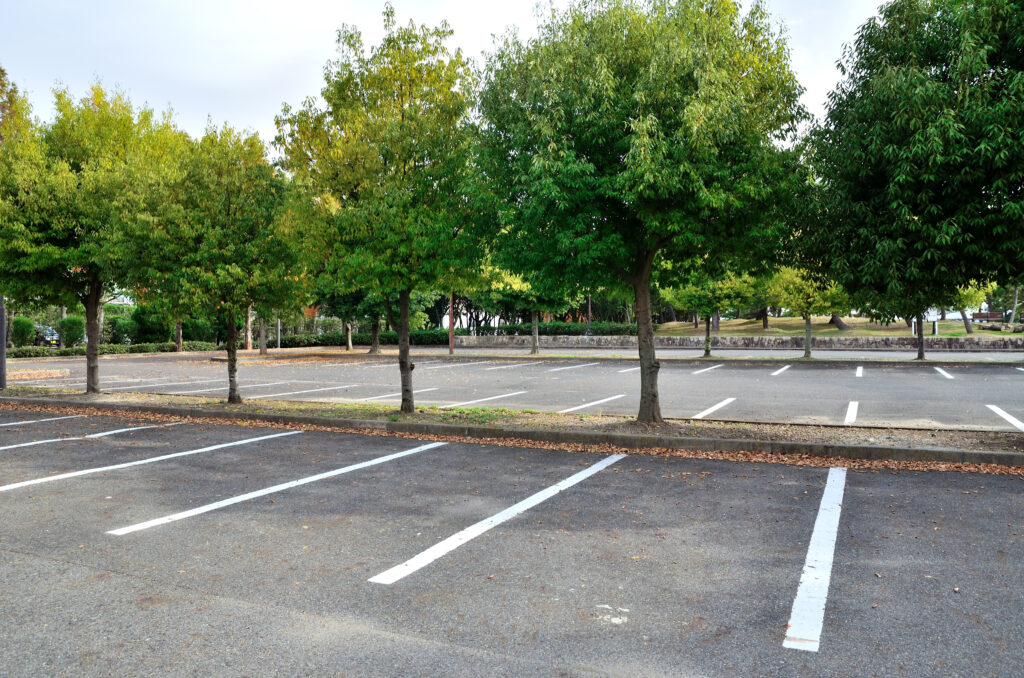
It can be installed anywhere materials can be brought in. Equipped with insulation, strength, and salt damage resistance, it enables land-based aquaculture in places where it was previously difficult to cultivate aquaculture, such as building basements and rooftops.
06. Realization of multi-product production
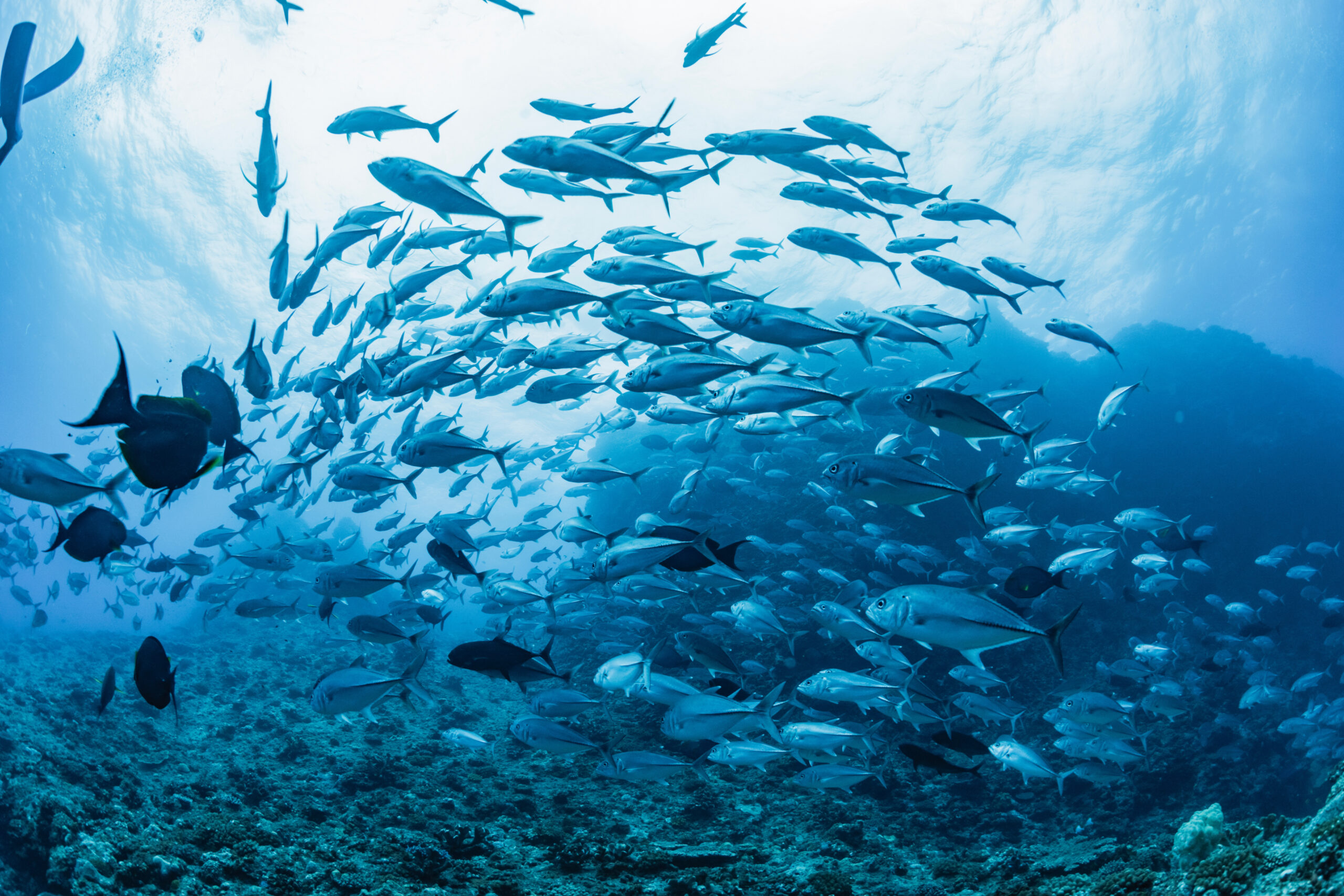
This allows for parallel production management of different species, including not only fish but also sea urchins, seaweed, and plants, on a unit-by-unit basis. It also enables leveling out the workload throughout the year and strategic shipments to coincide with periods of high market prices.
MOVIE
AQUAXMGRID aims to advance aquaculture technology.
Land-based aquaculture , which serves not only as a business but also as a means of sustainable food security in communities,
is accessible to anyone, anywhere in the world.
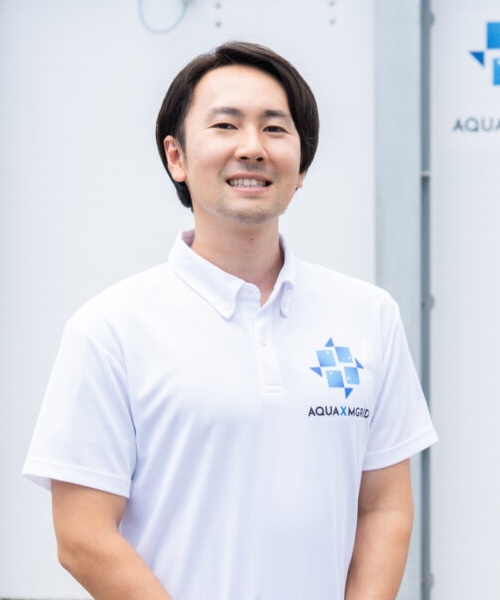
Towards a future where anyone, anywhere can engage in aquaculture.
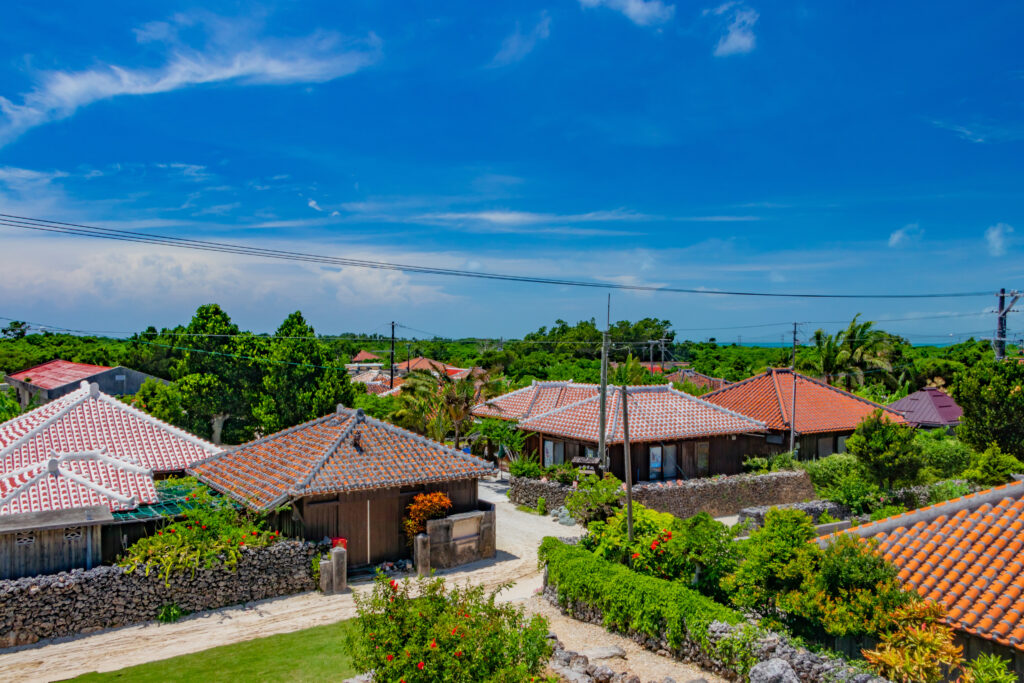
The phrase “Towards a future where anyone can farm aquaculture anywhere” doesn’t simply mean increasing the number of aquaculture farms; it embodies our desire to make aquaculture a reality for anyone, in any region of the world.
Until now, land-based aquaculture has been complex in terms of equipment and operation, requiring a great deal of experience and know-how. However, with the spread of modular land-based aquaculture systems, we are approaching an era where systems can be flexibly constructed to suit each region and purpose by combining the necessary functions.
In the future, it has the potential to develop into a system that supports sustainable food production while making use of local resources, connecting not only to fisheries but also to agriculture and energy. The future cannot be changed by a single technology, but many companies and researchers can bring together their technologies under a common framework, leveraging their respective strengths to create new value.
I believe that as this circle of cooperation expands, a future where anyone can cultivate aquaculture anywhere will gradually become a reality.
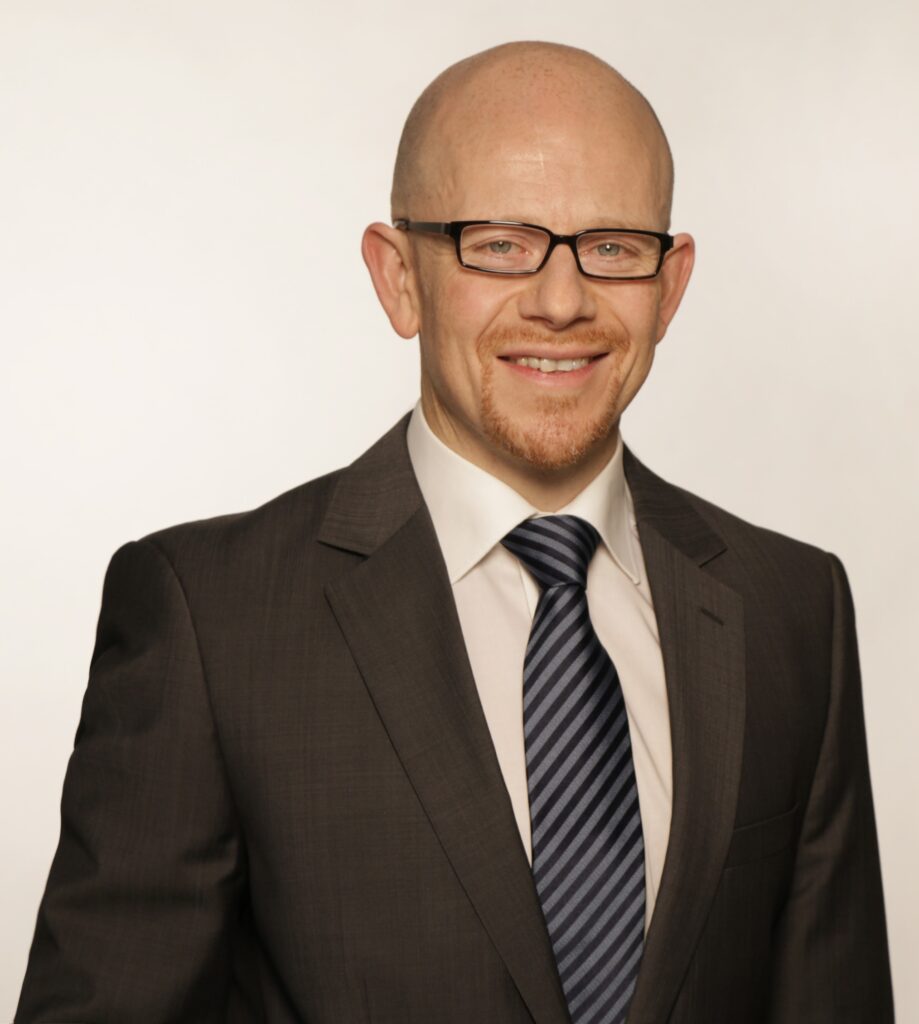
Specially Appointed Assistant Professor, Integrated Agriculture and Fisheries Sustainable Land-Based Aquaculture, Co-creation Hub Management Division, Research Promotion Organization, University of the Ryukyus
Shingo Udagawa

Let’s share this technology with the world.
The AQUAXMGRID initiative is a standards organization that promotes the international standardization of modular, decentralized land-based aquaculture technologies.
We are working towards proposing a standard for ISO/TC234 (Fisheries, Aquaculture, and Fisheries) with a target date of 2029.
ISO/TC234 is
an ISO technical committee that develops international standards in the fisheries, aquaculture, and marine products sectors. It sets rules that affect the entire industry from a global perspective, including specifications for aquaculture equipment, environmental standards, and data management methods. Norway serves as the secretariat country, and companies, research institutions, and government agencies from all over the world participate. Certification of a standard by this committee means that the technology is recognized as a "world standard."
For media inquiries and other questions, please contact us here.